Genomic privacy

You choose the purposes. Access follows the work.

Identity, operations, health, genetics, restricted wellbeing notes and marketing preferences are separated so one purpose does not quietly become another.

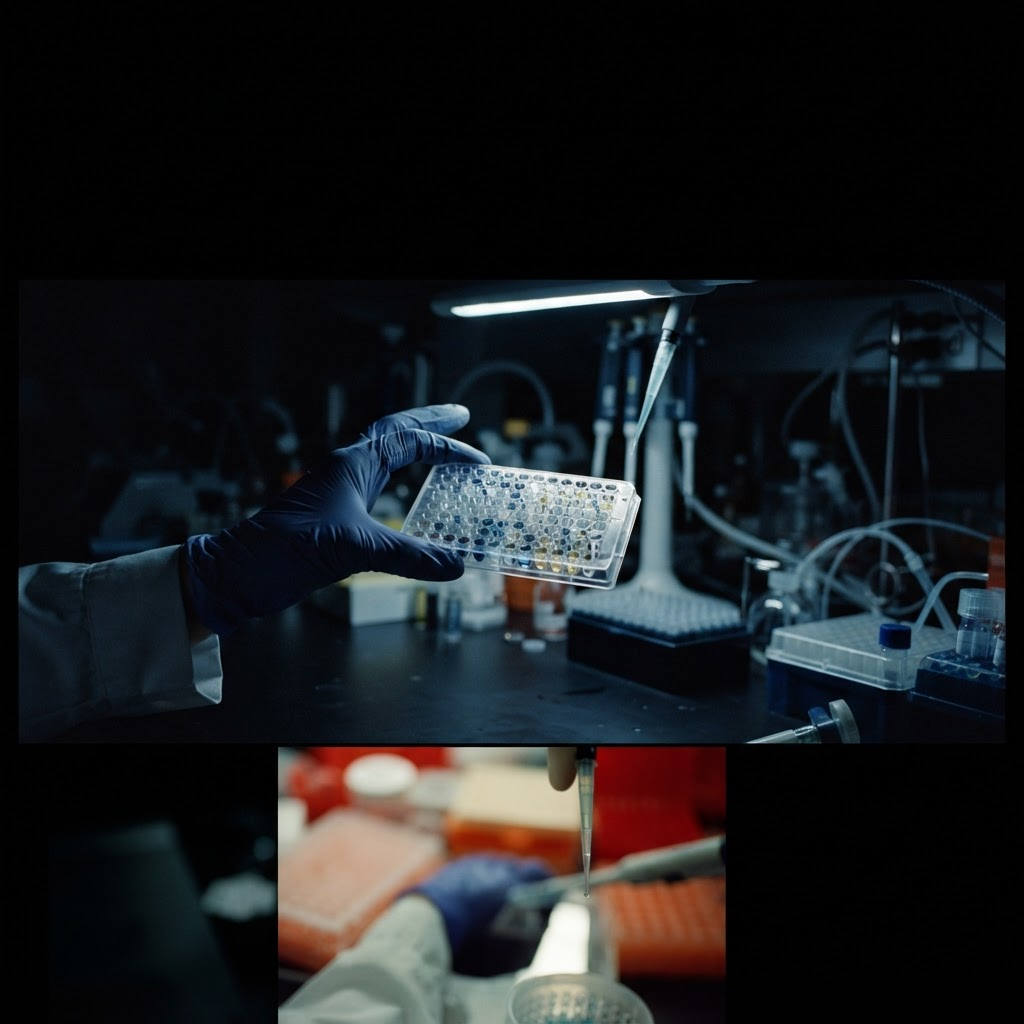
Laboratory professional preparing a microplate for controlled analysis
01Verified sample
02Quality controlled
03Human reviewed

Genetics interpreted alongside current health context

Consent & provenanceEvery permission and source version recorded

Qualified reviewSafety and context checked before release

Measured, not imaginedNo diagnosis or deterministic prediction

01

Consent is purpose-specific

Core service, health-data processing, genetic-data processing, contracted supplier access and sample handling are presented separately from future reinterpretation, research, algorithm improvement and marketing.

  • Optional choices are unselected by default
  • Declining marketing never blocks the service
  • Every decision stores version, content hash and time
02

The laboratory receives a pseudonymous specimen

The laboratory receives the specimen and assay information required to perform the work—not your shop profile, marketing history or general account activity.

  • Separate specimen identifier
  • Restricted signed transfer channel
  • Raw payload integrity recorded
03

Access requires role and assignment

A professional must have both the permitted role and an active case assignment. General support can see operational state but cannot browse questionnaire answers, genotype, restricted notes or report content.

  • Raw genotype and bulk export separately permissioned
  • Access events are audited
  • Inactive assignments expire
04

Sensitive information stays out of ordinary channels

Health and genetic answers do not enter URLs, marketing analytics, advertising pixels, session replay, email subjects, SMS bodies or generic customer-relationship systems.

  • Private no-store portal responses
  • No result content in notifications
  • Support exports are redacted
05

You control result and retention preferences

The intake records your right-not-to-know choices, result categories, sample handling and stated retention understanding. A material policy change creates a re-consent task instead of silently replacing your choice.

  • Consent history remains readable
  • Withdrawal workflow tracks every affected processor
  • Legal holds are explained where they prevent deletion
06

Use the portal to exercise your rights

You can request access, correction, restriction, policy-based deletion, sample destruction or make a complaint. Identity and scope are verified before a sensitive export or destructive action.

  • Request reference and status
  • Human review for complex genomic requests
  • Completion evidence retained
07

Security is visible to you

The account area exposes active sessions, MFA and recovery controls. Sensitive exports and first report access can require elevated authentication and are recorded in access history.

  • Session revocation
  • MFA before result release
  • No shared-link public reports

Ready when you are

Start with a short suitability check.

It takes a few minutes, does not require payment, and confirms whether the service scope and supervised collection model fit what you need.

Service information is versioned and distinguishes measured findings, supporting evidence, personal context, professional judgement and limitations.